
Exploring how gambling influences human behavior with insights from chicken road
The Psychology Behind Gambling
Gambling has long fascinated psychologists and sociologists as it intertwines risk, reward, and human decision-making. At its core, gambling taps into basic psychological principles, often invoking feelings of excitement and anticipation. In this context, the chicken road 2 game exemplifies how engaging gameplay can mirror these psychological elements and significantly influence how individuals make choices in various aspects of life, from financial decisions to relationships.
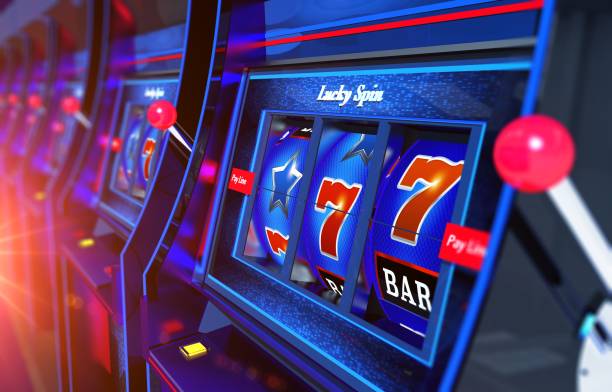
The thrill of taking risks can trigger the release of dopamine in the brain, creating a sense of pleasure and reinforcing the gambling behavior. This neurological reaction explains why many people find it difficult to walk away from games of chance, such as slot machines or poker tables, leading to repetitive gambling patterns and, in some cases, addiction.
The nature of gambling inherently involves risk-taking, an aspect that many players are drawn to. This desire for risk often reflects a deeper psychological need for excitement or thrill, which can manifest in various ways. For instance, individuals may seek out gambling opportunities as a means of escapism from daily stressors, leading to temporary relief but potential long-term consequences.
Gambling is often a communal activity, influenced by social dynamics and peer pressure. The presence of others can enhance the excitement, making individuals more likely to participate in gambling activities. This social aspect can create a strong sense of belonging and shared experience, which can further entrench gambling behaviors within a person’s lifestyle.
The influence of gambling extends beyond immediate thrill-seeking behavior; it can also alter overall decision-making processes. When individuals engage in gambling, they often develop cognitive biases that affect how they perceive risk and reward. For example, the illusion of control can lead gamblers to believe they have more influence over outcomes than they actually do, skewing their judgment.

Discover the
If you are intrigued by the intersection of gambling psychology and engaging gameplay, consider exploring the . This fast-paced arcade game not only challenges players’ reflexes but also serves as an entertaining representation of risk and reward dynamics. Players guide a chicken through busy traffic, navigating challenges while aiming to collect rewards.
“`